Finding the right sunglasses hinges on understanding frame size; it’s crucial for comfort, style, and optimal UV protection.
This guide simplifies the process of selecting perfectly fitted eyewear.
Why Frame Size Matters
Proper frame size dramatically impacts your sunglasses experience. Ill-fitting sunglasses can cause discomfort, slipping, and even reduced UV protection, as gaps allow harmful rays to reach your eyes. Beyond functionality, size significantly influences aesthetics; sunglasses that are too large or too small can look disproportionate and detract from your overall appearance.
Choosing the correct size ensures a secure and comfortable fit, allowing you to confidently enjoy outdoor activities. A well-fitted pair complements your facial features, enhancing your style. Ignoring frame size can lead to headaches or pressure points, making your sunglasses unpleasant to wear for extended periods. Prioritizing size is therefore essential for both eye health and personal satisfaction.
The Importance of a Proper Fit
A proper sunglasses fit is paramount for maximizing benefits. Beyond mere comfort, it directly affects the effectiveness of UV protection, preventing harmful sun exposure around the eyes. Securely fitted frames minimize light leakage, ensuring optimal shielding from glare and damaging rays.
Furthermore, a good fit enhances stability during movement, crucial for active lifestyles. Sunglasses that constantly slide down are distracting and potentially dangerous. Comfort is also key; ill-fitting glasses can cause pressure points and headaches. A well-fitted pair should feel lightweight and secure, allowing you to focus on enjoying your day. Don’t compromise on fit – it’s an investment in your eye health and overall well-being.
Understanding Sunglasses Measurements
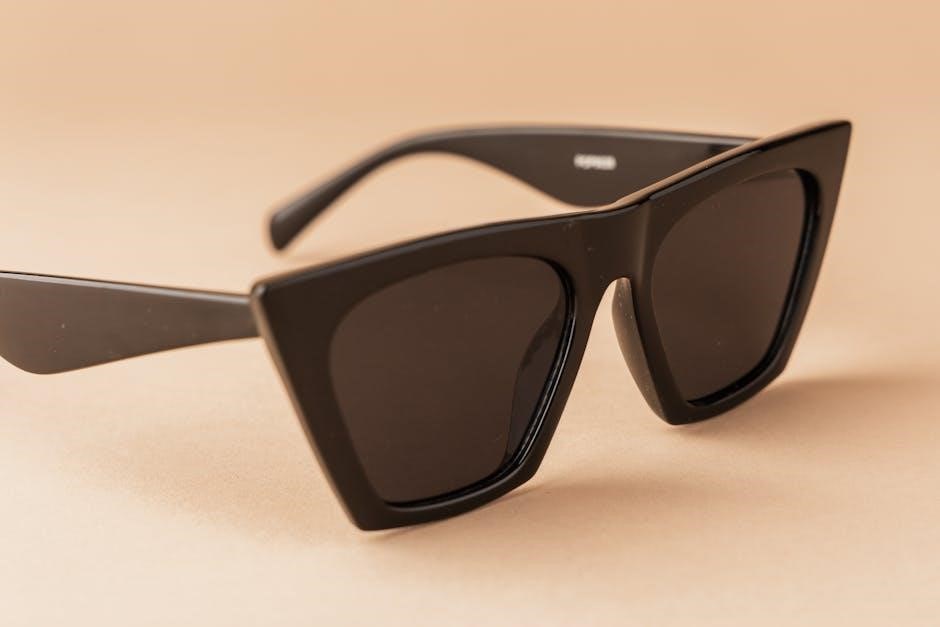
Sunglasses sizes are typically represented by three numbers: lens width, bridge width, and temple length, all in millimeters. Knowing these measurements is vital.
Lens Width
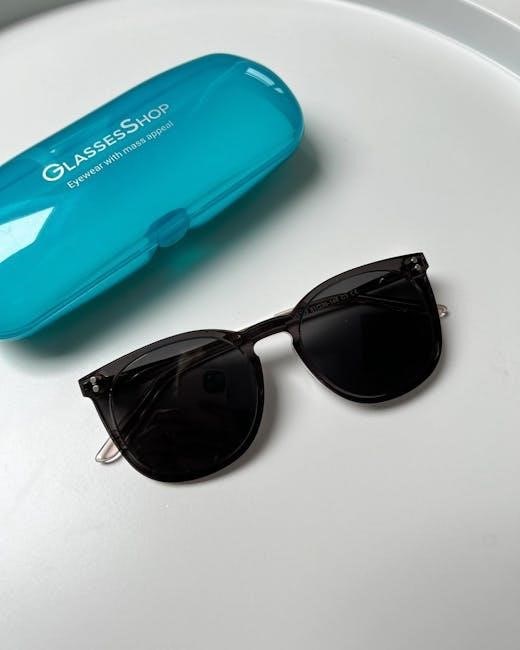
Lens width refers to the horizontal measurement of one lens, typically ranging from 40 to 80 millimeters. This dimension significantly impacts how much of your face the sunglasses cover and influences the overall aesthetic. A wider lens provides more coverage, offering greater protection from peripheral sunlight and glare, which is particularly beneficial for outdoor activities.
Conversely, a narrower lens might be preferred for a more minimalist look or for individuals with smaller faces. Determining the appropriate lens width ensures a balanced appearance and prevents the sunglasses from feeling too overwhelming or too small. It’s a primary factor in achieving a comfortable and visually pleasing fit, contributing to both functionality and style. Accurate lens width measurement is key to a successful sunglasses purchase.
Bridge Width
Bridge width is the distance between the lenses, measured across the nose bridge, typically ranging from 14 to 24 millimeters. This measurement is critical for comfort and stability, preventing the sunglasses from sliding down your nose or pinching uncomfortably. A correctly sized bridge ensures the weight of the sunglasses is distributed evenly, reducing pressure points.
Individuals with wider noses generally require a larger bridge width, while those with narrower noses benefit from a smaller one. An improperly fitted bridge can lead to discomfort and frequent adjustments. Considering your nose shape is vital when selecting sunglasses; a well-fitted bridge enhances both the functionality and the overall wearing experience, ensuring a secure and comfortable fit throughout the day.
Temple Length
Temple length refers to the length of the arms that extend from the frame to rest over your ears, usually ranging from 130 to 150 millimeters. This measurement significantly impacts how securely the sunglasses stay on your face and overall comfort. Temples that are too short can cause pressure behind the ears, while excessively long temples may feel loose and unstable.
Consider your head size and shape when determining the ideal temple length. Individuals with larger heads often require longer temples, while those with smaller heads may prefer shorter ones. Properly fitted temples should gently curve around the ears without causing discomfort or slippage. A secure temple length ensures the sunglasses remain in place during activity, providing consistent protection and a comfortable wearing experience.
Frame Height
Frame height measures the vertical distance of the lens, from the top of the frame to the bottom. This dimension, typically between 30 and 60 millimeters, influences how much of your eye area is covered and the overall aesthetic of the sunglasses. A taller frame provides more coverage, shielding your eyes from sunlight coming from above, while a shorter frame offers a more minimalist look.
Consider your face shape and personal preference when selecting frame height. Individuals with prominent cheekbones might prefer a frame that balances their features, while those with smaller faces may opt for a proportionally smaller height. Frame height also impacts how the sunglasses interact with your eyebrows – ensuring a harmonious fit is key for both comfort and style.

How to Determine Your Current Sunglasses Size
Locate the sizing information printed on the inside of your sunglass temples; it’s usually a series of three numbers indicating lens width, bridge, and temple length.
Locating the Size Information
Finding the size markings on your current sunglasses is the first step towards determining your ideal fit. Typically, this information isn’t prominently displayed, requiring a bit of searching. Look closely at the inside of the temple arms – these are the arms that extend back over your ears.
The size information is usually printed as a series of three numbers, separated by dashes (e.g;, 52-18-140). Sometimes, it might be subtly etched or molded into the plastic. If you have the original case or paperwork, check there as well; the size is often listed on the packaging or included documentation. Don’t confuse this sizing with any model numbers or branding – focus on the numerical sequence representing the measurements. If you’re still struggling to find it, a magnifying glass can be helpful!
Decoding the Numbers (e.g., 52-18-140)
The three numbers on your sunglasses represent key measurements crucial for understanding the fit. The first number, like ‘52’ in 52-18-140, indicates the lens width, measured in millimeters (mm) across the widest part of one lens. The second number, ‘18’ in our example, signifies the bridge width – the distance between the lenses.
Finally, the third number, ‘140’, represents the temple length, or the length of the arm extending from the hinge to the tip. Understanding these measurements allows you to compare them to new frames and find a similar, comfortable fit. These numbers are a universal standard, helping you navigate the world of eyewear sizing effectively, regardless of brand or style.
Measuring Your Face for Sunglasses
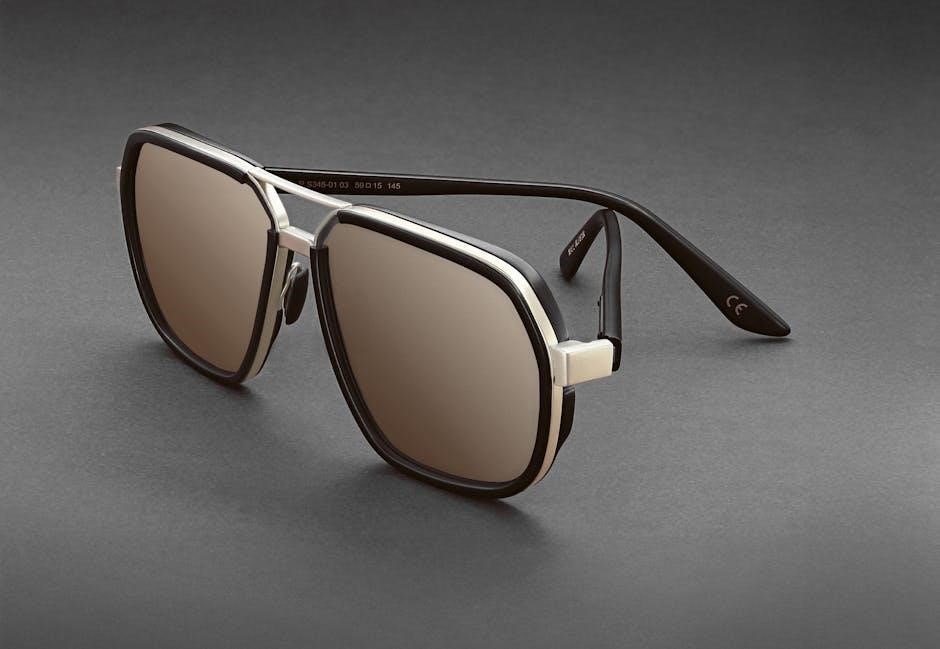
Accurate facial measurements are key to finding sunglasses that fit well and feel comfortable. This process ensures optimal vision and style, avoiding slippage or pressure.
Measuring Lens Width (PD — Pupillary Distance)
Pupillary Distance (PD) is the distance between the centers of your pupils, a critical measurement for ensuring the optical center of the lenses aligns with your eyes. This impacts visual clarity and comfort. You can measure PD at home or during an eye exam.
To measure at home, stand in front of a mirror and use a ruler to measure the distance between your pupils while looking straight ahead. Repeat several times for accuracy. Alternatively, ask a friend to assist you. Online tools and apps can also provide estimations, though professional measurement is preferred.
PD is typically expressed in millimeters. Knowing your PD ensures the sunglasses provide optimal vision and reduces eye strain. It’s especially important for prescription sunglasses, guaranteeing the lenses are correctly positioned for clear sight. A proper PD measurement contributes significantly to a comfortable and effective eyewear experience.
Measuring Bridge Width
The bridge width is the distance between the lenses, sitting across the nose. Accurate measurement ensures a comfortable and secure fit, preventing slippage or pressure points. To measure, use a ruler with millimeter markings.
Place the sunglasses on a flat surface and measure the distance between the inner edges of the lenses, where they rest on the nose. Alternatively, if you have the frame without lenses, measure directly across the bridge. This measurement is also expressed in millimeters.
A properly fitted bridge should comfortably rest on your nose without pinching or feeling too loose. Different nose shapes require varying bridge widths; Consider a higher bridge for a lower nose bridge and vice versa. Finding the correct bridge width significantly enhances comfort and overall wearability.
Measuring Temple Length
Temple length refers to the arm of the sunglasses, extending from the hinge to behind the ear. This measurement is vital for ensuring the frames stay securely positioned without causing discomfort or pressure. Use a ruler with millimeter markings for accurate results.
Measure from the hinge (where the temple connects to the frame) along the curve of the temple, all the way to the tip that rests behind your ear. It’s best to have someone assist you for a precise measurement. This dimension is also expressed in millimeters.
Proper temple length prevents the sunglasses from sliding down your nose or feeling too tight. Consider your head size and shape when selecting a temple length; longer temples suit wider heads, and shorter temples fit narrower faces.
Sunglasses Size Guide by Face Shape
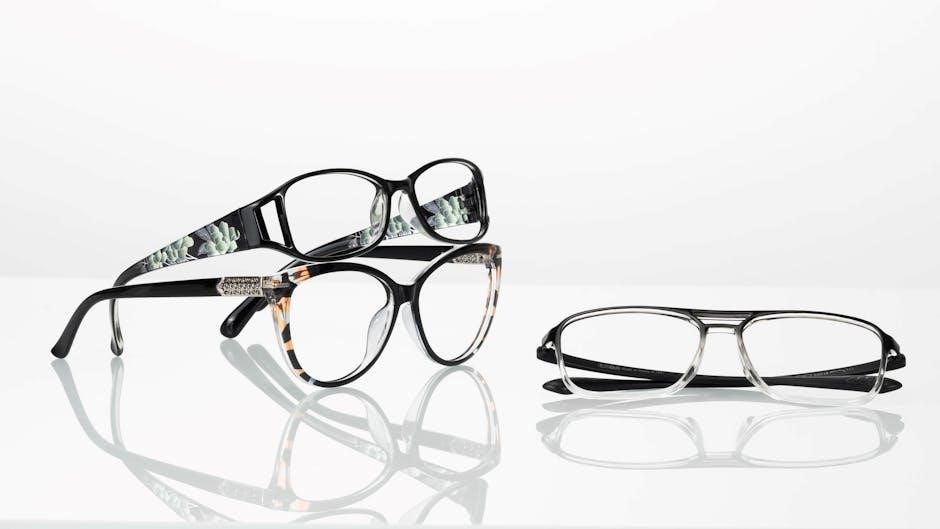
Different face shapes are complemented by specific frame styles. Understanding your face shape—round, square, oval, or heart-shaped—is key to finding flattering sunglasses.
Round Face
Individuals with round faces benefit from frames that add angles and definition. Avoid overly round or small frames, as these can accentuate the face’s fullness. Instead, opt for rectangular, square, or geometric shapes. These styles create the illusion of a longer, more sculpted face.
Wider frames that extend beyond the broadest part of your face are also excellent choices. A strong browline can add structure, while frames with upward sweeps can lift the face. Consider frames with detailing on the temples to draw attention outwards. Generally, a medium to large frame size works best, ensuring balance and proportion. Avoid rimless or very delicate frames, as they can get lost on a rounder face.
Square Face
Those with square faces, characterized by strong jawlines and broad foreheads, should soften their features with eyewear. Round, oval, or cat-eye frames are ideal, as they introduce curves that contrast with the face’s angularity. Frames with softer edges and gentle curves will help balance the strong lines of a square face.
Avoid square or rectangular frames, as they can emphasize the face’s existing angles. Look for frames that are wider than they are tall to add width and minimize the appearance of a strong jawline. Frames with detailing or embellishments can also draw attention away from the angular features. A medium to large frame size generally complements a square face, providing a harmonious balance.
Oval Face
Considered the most versatile face shape, oval faces are beautifully balanced and can pull off a wide variety of sunglass styles. Lucky owners of oval faces can experiment with almost any frame shape – square, round, rectangular, or aviator – without disrupting facial harmony. The key is to choose frames proportional to the face size; avoid anything too oversized that hides the natural balance.
However, maintaining balance is still important. Frames that are as wide as, or slightly wider than, the broadest part of the face generally look best. Experiment with different colors and materials to express personal style. Bold frames can add definition, while more delicate frames offer a subtle look; Essentially, oval faces have the freedom to explore and find what truly suits their individual preferences.
Heart-Shaped Face
Individuals with heart-shaped faces, characterized by a wider forehead and narrowing chin, benefit from sunglasses that balance these proportions. The goal is to add width to the lower part of the face and minimize the broader forehead. Styles like cat-eye frames, round or oval shapes, and frames with detailing on the lower half are excellent choices. These styles draw attention downwards, creating a more harmonious look.
Avoid top-heavy frames or those with excessive embellishment at the temples, as they can accentuate the forehead’s width. Frames that sit lower on the nose can also be flattering; Light-colored or rimless frames can soften the angles, while larger frames should be approached cautiously to avoid overwhelming the face. Ultimately, balance is key for heart-shaped faces.
General Sunglasses Size Recommendations
Sunglasses sizes typically fall into three categories: small (under 50mm), medium (50-54mm), and large (55mm+) lens width.
Consider your facial features when choosing.
Small Frames (Under 50mm Lens Width)
Small sunglasses, with a lens width under 50mm, are generally ideal for individuals with smaller faces or more delicate features. These frames offer a proportionate look, preventing the sunglasses from overwhelming the face. They are often a good choice for teenagers and women with petite builds.
However, small frames aren’t limited by face size alone. Individuals seeking a minimalist or retro aesthetic might also prefer smaller lenses. Styles like classic round or cat-eye shapes frequently come in smaller sizes. When selecting small frames, ensure they comfortably fit the bridge of your nose and don’t pinch the sides of your head. Proper fit is paramount, even with smaller dimensions, to ensure both comfort and effective sun protection. Consider a temple length that doesn’t cause discomfort behind the ears.
Medium Frames (50-54mm Lens Width)
Medium-sized sunglasses, falling within the 50-54mm lens width range, represent the most universally flattering option. They suit a wide variety of face shapes and sizes, offering a balanced and comfortable fit for many wearers. This is often considered a “standard” size, readily available in numerous styles and designs.
Individuals with average-sized faces typically find medium frames to be the most comfortable and aesthetically pleasing. They provide ample coverage without appearing oversized or disproportionate. Popular styles like aviators, wayfarers, and square frames are commonly found in this size range. When trying medium frames, ensure the lenses fully cover your eyes without touching your eyebrows or cheeks. A secure, comfortable fit is key, avoiding any pinching or slipping.
Large Frames (55mm+ Lens Width)
Large sunglasses, defined by a lens width of 55mm or greater, make a bold fashion statement and offer extensive coverage. These frames are particularly well-suited for individuals with larger faces or those who prefer a more dramatic look. They can also be a stylish choice for those seeking maximum UV protection, shielding a wider area around the eyes.
However, it’s crucial that large frames don’t overwhelm the face. They should complement your features, not overshadow them. Consider the overall proportions of your face when selecting large sunglasses. Styles like oversized square frames or cat-eye shapes are popular choices. Ensure a comfortable fit – the frames shouldn’t slide down your nose or feel too heavy.
Randolph Engineering Size Guide Specifics
Randolph Engineering offers classic aviator and Concord styles; understanding their unique sizing is key to a perfect fit for these durable, high-quality frames.
Randolph Aviator Sizing
Randolph Aviators, iconic for their military heritage and enduring style, require careful consideration when selecting a size. Generally, the most popular sizes range from 52-55mm lens width, accommodating a variety of face sizes. However, Randolph offers variations, including a 55-58mm option for broader faces.
It’s crucial to note the bridge width, typically 18mm, and temple length, usually 135mm, contribute to overall fit. A proper fit ensures the aviators sit comfortably on your nose and behind your ears without slipping. Consider your face shape – larger faces benefit from larger sizes, while smaller faces may prefer a more petite 52mm lens.
Randolph’s sizing leans towards a classic, slightly narrower fit, so if you’re between sizes, opting for the larger option is often recommended. Always refer to the specific measurements provided for each model to guarantee the best possible experience.
Randolph Concord Sizing
Randolph Concord sunglasses, known for their square, flat lenses and versatile appeal, present a slightly different sizing approach than the classic Aviator. Common lens widths for the Concord range from 52mm to 55mm, suitable for medium to larger face sizes. A key feature is their slightly wider fit compared to the Aviator, offering enhanced peripheral vision.
Bridge width typically remains at 18mm, while temple length is generally 135mm, ensuring a secure and comfortable fit. Individuals with broader faces or those seeking a more substantial look may find the 55mm option particularly appealing.
When choosing, consider your facial features; the Concord’s square shape complements stronger jawlines. As with all Randolph frames, precise measurements are vital for optimal comfort and style. Prioritize checking the specific dimensions listed for each Concord model before purchasing.

Resources for Finding Your Perfect Fit
Numerous tools assist in finding your ideal sunglasses size, including online virtual try-on features and professional consultations with a qualified optician.
Online Virtual Try-On Tools
Many retailers now offer innovative virtual try-on tools, leveraging augmented reality to simulate how sunglasses will look on your face. These tools typically utilize your device’s camera to map your facial features and allow you to virtually “wear” different frames.
This technology provides a convenient way to experiment with various styles and sizes from the comfort of your home, helping you narrow down your choices before making a purchase. While not a perfect substitute for trying on glasses in person, virtual try-on tools are a valuable resource for initial selection and gaining a better understanding of which shapes complement your face. Several websites, like Mister Spex, offer this service, allowing you to order glasses and sunglasses online with confidence.
Consulting with an Optician
For the most accurate fit, consulting with a qualified optician is highly recommended. Opticians possess the expertise to precisely measure your pupillary distance, bridge width, and temple length, ensuring a comfortable and secure fit.
They can also assess your facial structure and provide personalized recommendations based on your individual needs and preferences. An optician can help you navigate the complexities of frame sizing, especially if you have a unique prescription or require specific lens features. Beyond simply finding the right size, they can ensure the sunglasses offer optimal vision correction and UV protection. This professional guidance is invaluable for a truly perfect fit and long-term eye health.